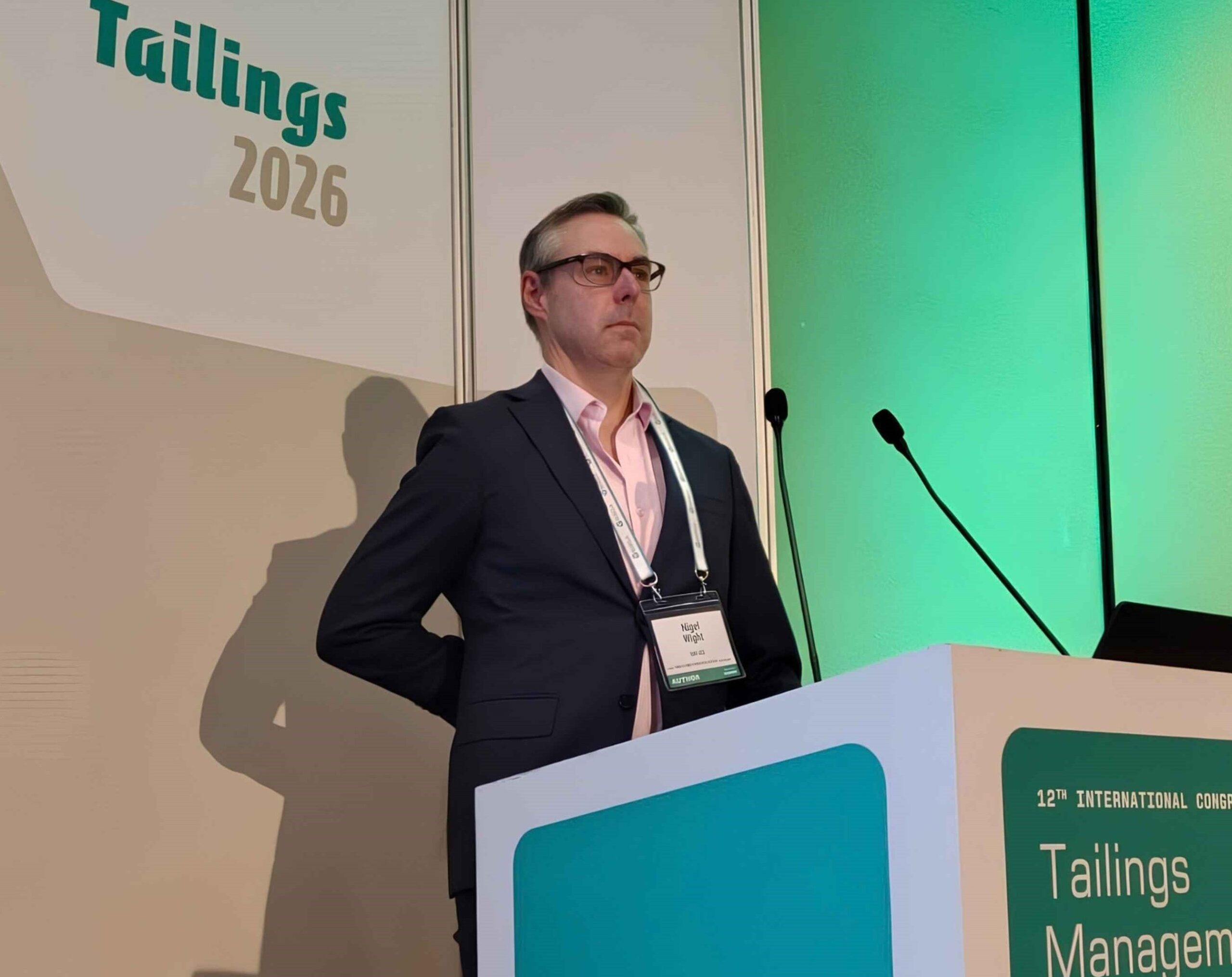
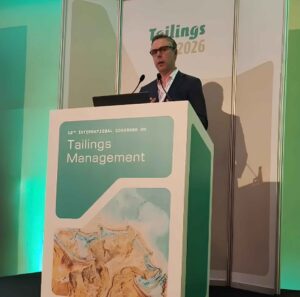
At Chile’s most important conference on tailings, the SMI Chile researcher presented findings on what can be learned from the memory of the disaster that struck the El Soldado mine in 1965.
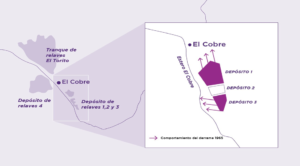
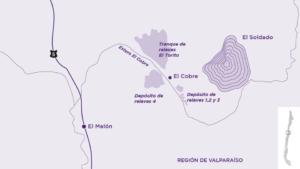
“What Remains: Disaster Risk and Emergency Preparedness in a Chilean Mining Town” was the title of Nigel Wight’s presentation, which draws on long-term research into memories and reflections, six decades on, of the largest tailings disaster in Latin America during the 20th century: the collapse of two tailings dams at El Cobre, where the El Soldado mine was located, following the earthquake that struck the area on 28 March 1965.
His presentation was based on research conducted jointly by SMI Chile and the CSRM (Centre for Social Responsibility in Mining) at UQ’s Sustainable Minerals Institute, in which he worked alongside Jill Harris, Angélica Andrade and Deanna Kemp.
At 12.33 pm on that fateful Sunday, the ground began to shake. The two tailings dams collapsed and, in less than an hour, buried virtually the entire mining camp.
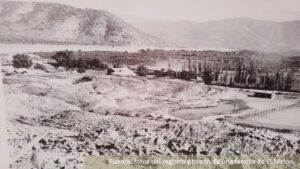
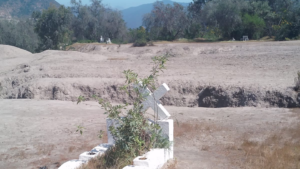

“An official death toll was never established,” said Nigel Wight. “Estimates range from 200 to as many as 500 people, while only between 35 and 70 bodies could be recovered. Most of the victims remain buried beneath the tailings. There was no public inquiry or compensation, and the mine resumed operations three months later.”
The research, which drew on accounts from eyewitnesses, relatives of people affected by the tragedy and public records, focused on one key question: how does the disaster continue to shape people’s relationship with tailings risk?
“The memory of disasters is enduring, uneven and active,” said Nigel Wight. “The disaster remains very present in the memories of families; survivors, their relatives and their local support networks live with the aftermath of what happened 60 years ago every day. However, outside these circles, the disaster is barely acknowledged by the municipality, beyond El Melón, or by the institutions responsible.”
Nigel Wight also highlighted how current regulators, the present operator and even the wider community have gradually forgotten what happened.
“The experience of this disaster has had little influence on planning for future accidents,” he said.
“In the years following the disaster, the underlying conditions that contributed to it have been reproduced, and the spatial configuration is essentially the same: a large tailings facility is located upstream, with small communities downstream… all within a highly seismic area.
“The mining industry has made significant technical advances, and Chilean tailings regulations have changed considerably since 1965. The GISTM (Global Industry Standard on Tailings Management) is now in place. However, survivors continue to live downstream from an enormous volume of tailings. For these people, it is impossible not to consider the consequences of a spill without recalling their direct experiences of 1965.
“The principle of ‘zero harm’ requires measures that cannot be designed solely within the operational footprint. They must be developed together with the people living downstream. And, in the case of El Melón, with those whose relationship with the tailings facility is highly complex and who, better than anyone else, understand the potential consequences of another failure.”